Europe
Asia
Oceania
Americas
Africa
Thought it was impossible to observe the wonders of the night sky
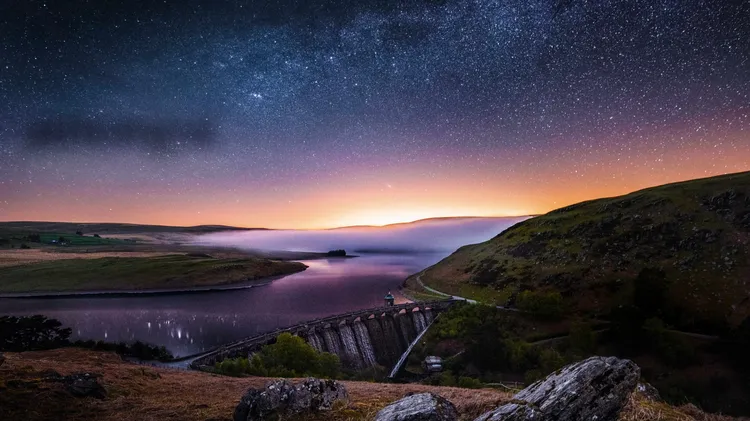
Our astronomical adventure in the hills of mid-Wales starts on an unlucky note. The autumnal sunshine of earlier has been swept away by a persistent drizzle rolling across the valleys and hilltops of
Meteors are remnants from the creation of our Solar System that burn up when they hit Earth’s atmosphere. As they vaporise, typically 80km to 120km (50–75 miles) above the ground, they leave a trail o
The meteor draws a luminous stroke across the darkness and vanishes, like a firework that forgot to boom. Thrusting my cold hand skywards as the bright light flares, I shout “Wow, there goes another o
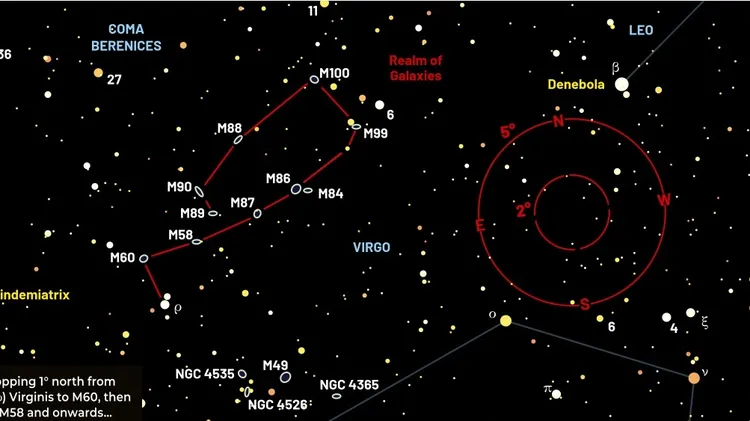
The spring sky is heavy with galaxies. As the stars of winter rotate westward, they drag the winter Milky Way with them, leaving us to gaze out into deep space at right angles to the plane of our home
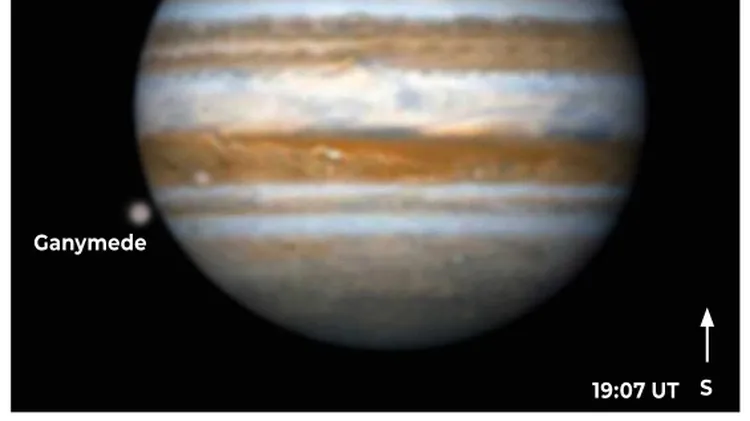
1 Sunday Ganymede disappears into Jupiter’s shadow at 19:48 UT, reappearing again at 23:11 UT. 5 ◀ Thursday From now until 26 March is the optimum time for this month’s Deep-Sky Tour (page 56) of obje
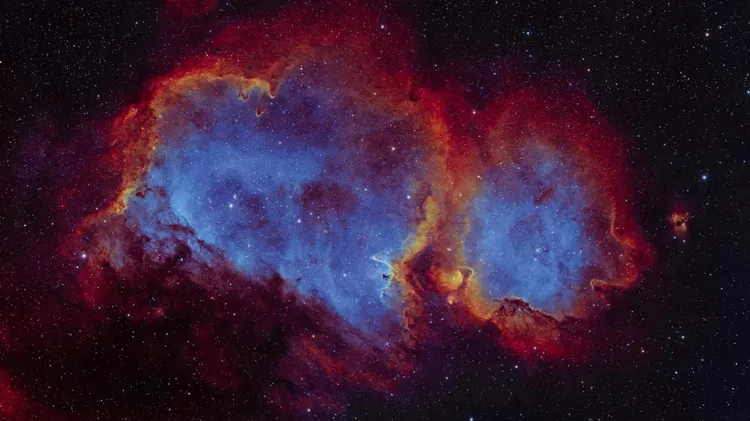
Ron Brecher, Guelph, Ontario, Canada, 22 November 2025 Ron says: “I used a colour camera and two Optolong filters to capture SII, Ha and OIII emissions, then processed them in the Foraxx palette. I’m