Europe
Asia
Oceania
Americas
Africa
July’s top lunar feature to observe
Mare Nectaris
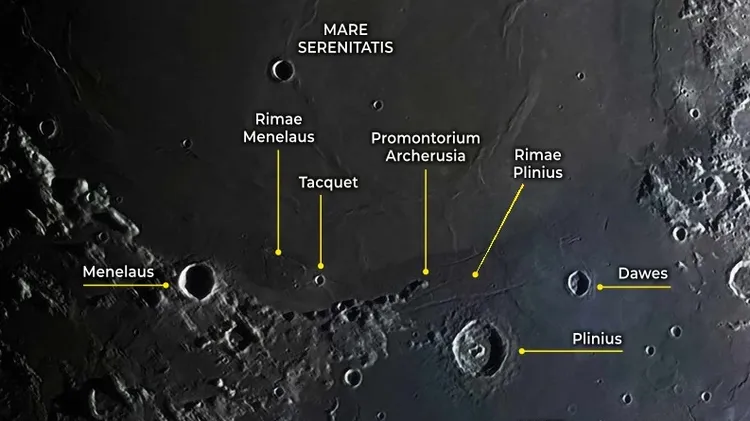
When we’re talking about the Moon, the term ‘promontorium’ describes a headland or cape, an outcrop of rock standing above the surrounding surface. One prominent example can be seen where 650km Mare S
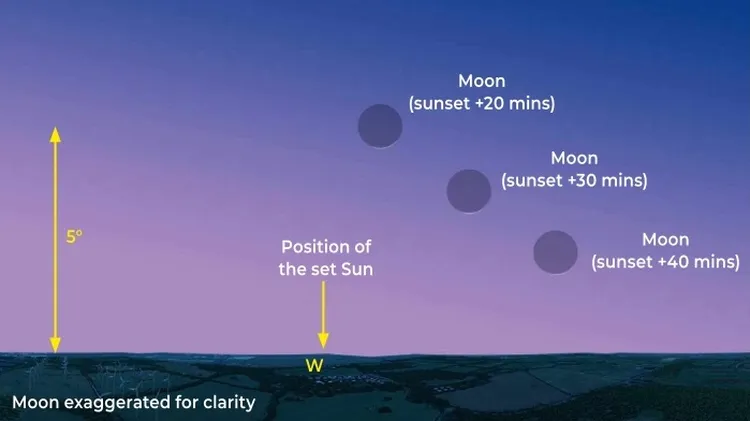
The angle the ecliptic makes with the western horizon around sunset is maximised at this time of year, which gives us a good view of any of our Solar System neighbours positioned on the eastern side o
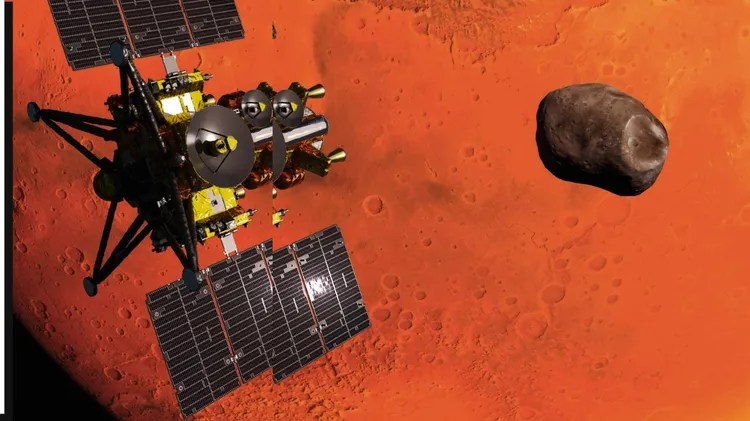
It’s an exciting time to be a space fan! If Artemis II launches in March (having been pushed back from a February launch due to fuelling issues), humans will be going back to the Moon for the first ti
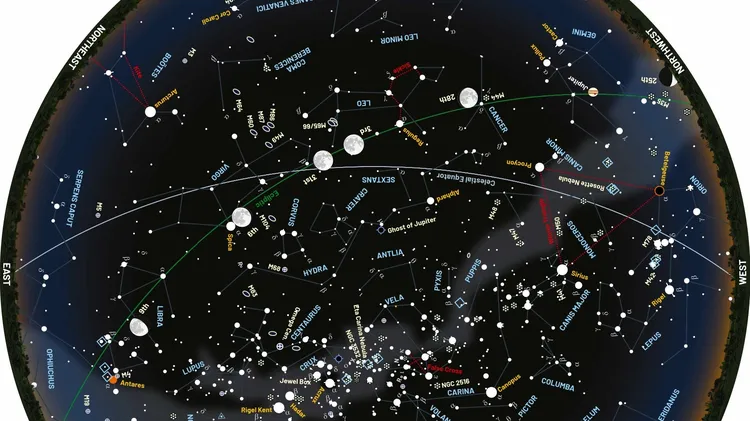
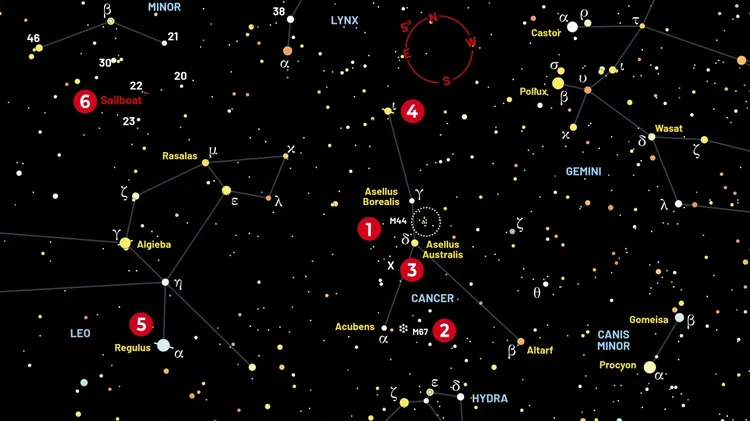
1 Mar 00:00 AEDT (28 Feb, 13:00 UT) 15 Mar 23:00 AEDT (12:00 UT) 31 Mar 22:00 AEDT (11:00 UT) The chart accurately matches the sky on the dates and times shown for Sydney, Australia. The sky is differ
DID YOU KNOW? JWST’s primary mirror weighs 705 kilograms ...
Just north of mag. +3.9 Asellus Australis (Delta (δ) Cancri), you’ll spot a ‘little cloud’, which is what ‘Nephelion’, M44’s ancient Greek name, means. At only 577 lightyears away, M44 (also known as