Europe
Asia
Oceania
Americas
Africa
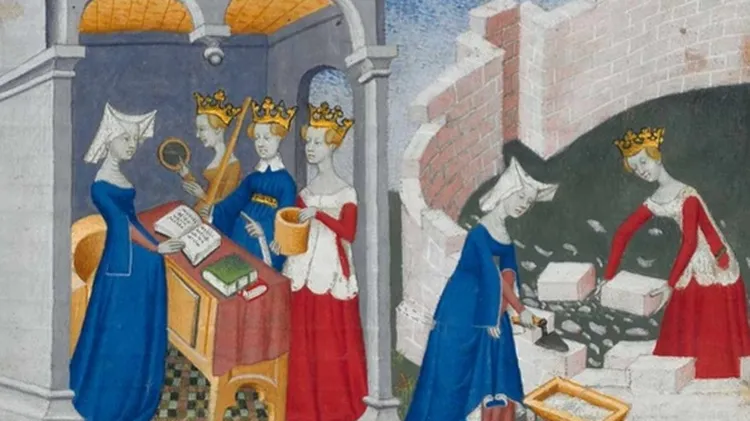
Breaking down stereot ypes in medieval literature
IRINA DUMITRESCU
THROUGHOUT history, women have paved the way to a brighter future in politics, science, society, the arts, literacy and countless other fields. We’ve had Rosalind Franklin, the chemist responsible for
“A deluge of printed matter pours over the world”, F. R. Leavis proclaimed in his doctoral thesis of 1924. An excess of low-quality verbiage, in the view of this young literary scholar, was doing harm
Charlotte Vosper In your book, you tell the history of France through the lives of 21 women. How did you choose who to include? Katherine Pangonis: I had this idea to revisit French history by looking
“As movers and the moved both know”, John Updike noted, “books are heavy freight ... They make us think twice about changing addresses.” Books: A manifesto, or, How to build a library begins with the
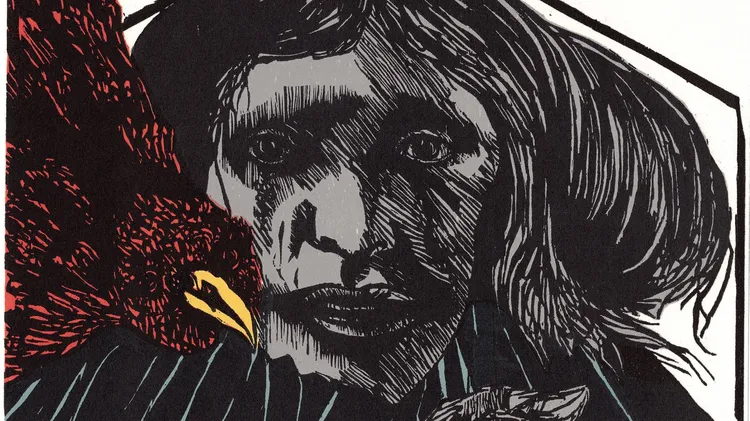
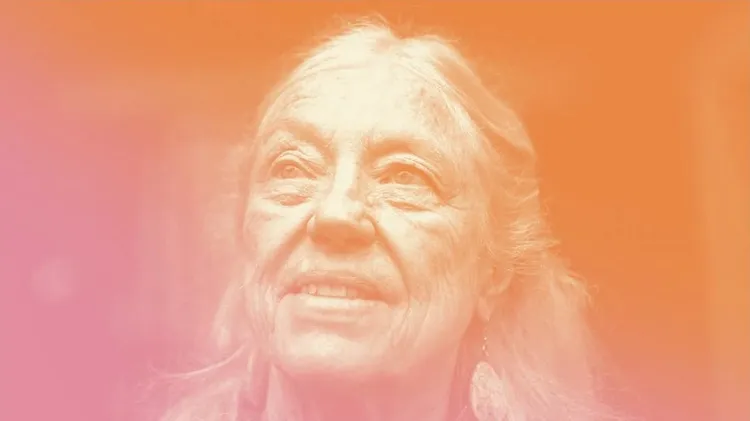
Sibyls , the book born of Ruth Fainlight’s poems and Leonard Baskin’s prints, became a memento of friendship, beauty and sorrow for its author
In 1966, an essay far ahead of its time appeared in the pages of the New Left Review (NLR). “Women: The Longest Revolution” was an analysis of how women are produced as a class. Its author, Juliet Mit