Europe
Asia
Oceania
Americas
Africa
The science behind your slumber and the benefits of drifting off to dreamland
Why your brain might be battling you at bedtime, and how to overcome this to find naturally effective ways to settle down for sleep
Those who had less rapid eye movement sleep gave up more easily on a monitored learning task than others
Struggling to nod off? These science-backed strategies will help you calm your mind, reset your body, and finally get the sleep you need
We all know that having decent shut-eye is important for feeling fresh, but it’s not just your energy levels that suffer when you don’t take sleep seriously. Not clocking up the necessary hours or ach
Confused about how best to get a re-energising night’s sleep? Our experts answer your most common bedtime questions
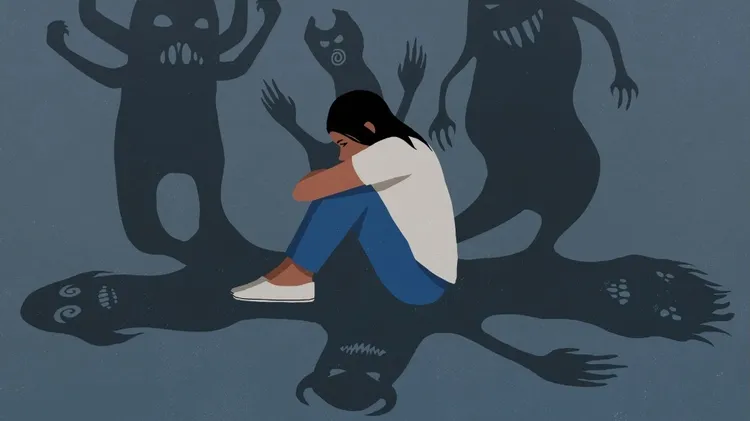
If you find yourself frequently lying awake worrying, know you’re not alone. Nighttime anxiety is a common problem that can make it harder to fall and stay asleep. Anxiety and sleep have a complex rel